Showing posts with label germany. Show all posts

Tuesday, 18 October 2016

Δεν έχει πάντα δίκιο ο κ. Σόιμπλε....

Να είμαστε ειλικρινείς ...

Δεν επιβεβαιωνόμαστε ως φιλοευρωπαίοι εαν επικροτούμε καθετί που λέει ο Σόιμπλε ... και φυσικα δεν γινεται ο Τσιπρας αυτόματα φιλοευρωπαίος εαν πάρει μια φιλοευρωπαϊκή θεση σε ενα θεμα.

Ειναι λάθος να γινεται αντιπολίτευση στο σχεδιο Τσιπρα για ελάφρυνση του χρέους τωρα, και να θεωρούμε αντιευρωπαϊκή τη στάση αυτη, τη στιγμη που διαφαίνεται οτι ο Σόιμπλε ειναι απομονωμένος στο θεμα.

Θα έλεγα μαλιστα οτι η θεση Σόιμπλε ειναι αντιευρωπαϊκή γιατι συστηματικά θεωρεί οτι η πολιτική ατζέντα όλων των ευρωπαϊκών χωρών θα πρεπει να καθορίζεται απο αυτη του Βερολίνου. Εκτος των άλλων, ο Σόιμπλε με τη στάση του, ενδεχομενως να ηρωποιησει μια ανίκανη, αντιευρωπαϊκή ελληνικη κυβερνηση και να παρατείνει την παραμονή της στην εξουσια .

Για να ειμαι συγκεκριμένος, εαν δεν γινει ΤΩΡΑ κάποιας μορφής ελάφρυνσης του χρέους, η Ελλαδα θα χρειαστει νέα χρήματα το 2018. Κι αυτο ειναι εξαιρετικα δυσκολο να συμβεί. Άρα ειναι προς όφελος και των πιστωτών να προχωρήσουν σε μια νέα συμφωνία τωρα.

Αυτο που αγνοούν οι διάφοροι αρθρογράφοι, ίσως λογω έλλειψης γνώσεων ή εμπειρίας σε σχεση με το πως λειτουργούν οι αγορες, ειναι οτι η έξοδος για δανεισμό απο τις αγορες χρειάζεται προετοιμασία, χρονο για να εμπεδωθεί εμπιστοσύνη.

Με βαση αυτο, η ολοκλήρωση του προγράμματος το 2018 δεν συνεπάγεται αυτόματη έξοδος στις αγορες. Άρα το χρονικό περιθώριο ειναι εξαιρετικα στενό για να υλοποιηθεί το σχεδιο Σόιμπλε και οδηγούμαστε σε 4ο μνημόνιο που θα ειναι πιο δυσκολο να περασει απο τη γερμανική Βουλή
Εαν περιμένουμε τις γερμανικές εκλογές για να ξεκινήσει η συζήτηση α) ριψοκινδυνευουμε να μην ξεκινήσει γιατι ειτε βγούμε τωρα, ειτε δεν βγούμε, το ακροδεξιό κόμμα ειναι εξαιρετικα πιθανόν να μπει στη Βουλή, β) δεν γνωρίζουμε ποια θα ειναι η κατασταση στη διεθνή οικονομια τοτε. Μια ενδεχόμενη επιδείνωση θα καταστήσει απαγορευτική καθε σκέψη για δανεισμό απο τις αγορες.

Επισης, τη δικαιούμαστε την ελαφρυνση ετσι κι αλλιώς λογω της συμφωνίας του 2012 που είχε κατορθωσει η κυβέρνηση Σαμάρα, Βενιζέλου, Στουρνάρα. Αυτο που υπαρχει ως ζήτημα ειναι ο χρόνος που θα συμβεί αυτο, που στη συμφωνία του Μαΐου λανθασμένα τοποθετήθηκε το 2018.

Θα πρεπει επισης να επισημανθεί οτι η μη ολοκλήρωση της συμφωνία ελαφρυνσης αποτελει σημαντικο ανασταλτικό παράγοντα για επενδύσεις. Γιατι κανεις σοβαρός επενδυτής δεν θα σκεφτεί να επενδύσει στην Ελλαδα εαν υπαρχει αυτη η εκκρεμότητα. Άρα συμφέρει και τους πιστωτες γιατι η βελτίωση του επενδυτικού προφίλ της ελληνικης οικονομιας, θα αυξήσει την πιθανότητα να πάρουν τα χρήματα τους πισω.

Επισης, η συμφωνία ελαφρυνσης συνδυάζεται με μικρότερα πρωτογενή πλεονάσματα, στοιχείο που δημιουργεί το θετικό υπόβαθρο για μειώσεις φόρων, χωρις αυτο να σημαίνει οτι οι δράσεις στο μέτωπο της μείωσης των δαπανών δεν θα πρεπει να συνεχιστούν.

Το τελευταίο και πιο σημαντικο, εχει έρθει και η σειρά της Γερμανίας να κανει διαρθρωτικες αλλαγές στο εσωτερικό της ετσι ωστε να επιλύσει τα διαρθρωτικά προβλήματα του τραπεζικού συστηματος της και να διευκολύνει την ανάπτυξη του συνόλου της ευρωπαϊκής οικονομιας.

Η συμφωνία του Μαΐου 2016 πρεπει να αλλάξει με νέα συμφωνία, και η χρονική συγκριτικά ειναι υπερ μιας διευθέτησης του ζητήματος τις επόμενες εβδομάδες κι αφου ολοκληρωθεί η αξιολόγηση του ελληνικού προγράμματος.

Οπως και για πολλα αλλα θεματα, το παραπάνω σχεδιο δεν μπορει να προχωρήσει στην περιπτωση εκλογής Τραμπ γιατι τοτε παμε σε αχαρτογράφητα ύδατα

Friday, 10 June 2016

Σχόλιο για το δημοψήφισμα στη Μεγάλη Βρετανία Νο 2

Η διενέργεια ενός δημοψηφίσματος αποτελεί κορυφαία στιγμή της δημοκρατικής διαδικασίας. Με αυτή την οπτική γωνία θα πρέπει να προσεγγιστεί και το δημοψήφισμα για την παραμονή της Μεγάλης Βρετανίας στην Ευρωπαϊκή Ένωση.

Κρίσιμοι παράγοντες για την επιτυχή διεξαγωγή ενός δημοψηφίσματος είναι α) το ποιο είναι το ερώτημα, το ποιος το ρωτάει, οι συνθήκες και ο χρόνος που θα διατεθεί για την προεκλογική περίοδο.

Δεν χωράει συζήτηση ότι το ερώτημα είναι ιστορικής σημασίας, δοθείσης της σημαντικής συμμετοχής της Μεγάλης Βρετανίας στο κτίσιμο της σύγχρονης Ευρώπης. Αναφέρομαι στη χώρα που ουσιαστικά «κράτησε» απέναντι στην επέκταση του ναζισμού, συνέβαλλε τα μάλα στην εξουδετέρωσή του και στην εμπέδωση συστήματος ασφάλειας, ειρήνης και ευημερίας στη μεταπολεμική Ευρώπη.

Οι δημοσκοπήσεις δείχνουν σχετικό προβάδισμα του Leave έναντι του Remain στην Ευρωπαϊκή Ένωση. Όλοι οι αναλυτές συμφωνούν σε τέσσερις παράγοντες που θα καθορίσουν το τελικό αποτέλεσμα:

1. εάν οι νέοι ψηφοφόροι που είναι φιλικά προσκείμενοι στην Ευρωπαϊκή Ένωση, θα κατέβουν να ψηφίσουν στο δημοψήφισμα

2. τι θα κάνουν οι παραδοσιακοί συντηρητικοί ψηφοφόροι που αν και δεν είναι εξαιρετικά θετικοί απέναντι στην Ευρωπαϊκή Ένωση και κυρίως απέναντι στη Γερμανία, την ίδια στιγμή δεν τους αρέσουν οι μεγάλες αλλαγές και τα αχαρτογράφητα ύδατα.

3. εάν και κατά πόσο επηρεάζει τις δημοσκοπήσεις το γεγονός ότι οι οπαδοί του Leave απαντούν επιθετικά στα ερωτήματα, ενώ οι οπαδοί του Remain αποφεύγουν να απαντήσουν.

4. Τι θα ψηφίσουν οι Βρετανοί πολίτες με μη βρετανική καταγωγή.

 Οι συνθήκες στη Μεγάλη Βρετανία σε σχέση με την οικονομία είναι ουδέτερες (προς το ευνοϊκό). Κι αυτό γιατί αν και η βρετανική οικονομία «τρέχει» σε ανάπτυξη τα τελευταία 6 χρόνια, ο ρυθμός ανάπτυξης μειώνεται από το 1ο τρίμηνο του 2015. Υπάρχουν διαρθρωτικά προβλήματα, η πιθανότητα να υπάρχει φούσκα στα ακίνητα είναι αυξημένη αλλά τα προβλήματα που προκάλεσαν την κρίση του 2008 είναι σε μεγάλο βαθμό υπό διαχείριση ακόμα.

Αυτό σημαίνει ότι η πλειοψηφία των πολιτών πιστεύει ότι η οικονομία θα χειροτερεύσει, το ερώτημα είναι εάν η κρίσιμη μάζα πιστεύει ότι καλό θα είναι να μην υπάρξουν επαναστατικές αλλαγές (Brexit) που θα οδηγήσουν σε αχαρτογράφητα ύδατα και θα προκαλέσουν καταστροφικές εξελίξεις
στην οικονομία σε σχέση με την αναμενόμενη (sooner or later) ύφεση.

Thursday, 2 June 2016

Πως επηρεάζει το νέο τούνελ του Gotthard, τα ελληνικά λιμάνια;

Είναι σίγουρο ότι με το άκουσμα της διάνοιξης του τούνελ μήκους 57.1 χλμ. στο Gotthard, η σκέψη της πλειοψηφίας της ελληνικής κοινής γνώμης πήγε στο ότι αυτό θα διευκολύνει του εκδρομείς των χιονοδρομικών κέντρων της Ελβετίας.
Αλλά αυτή η αντίληψη αποτελεί ένα μικρό τμήμα της εικόνας και σίγουρα δεν θα είχαμε εργασίες 24 χρόνων (7 χρόνια προετοιμασίας και 17 χρόνια κατασκευής), την κατασκευή 151 χλμ. διαφόρων τούνελ και δαπάνη 8.5 δισ. ευρώ για να ταξιδεύουν γρήγορα οι ευρωπαίοι για σκι. Και τι χρειάζεται ένα low base τούνελ για το σκι;
Στην εποχή της παγκοσμιοποίησης, καθε κατασκευαστικό έργο, του οποίου η εμβέλεια της ξεπερνά τα σύνορα μιας χώρας, εντάσσεται εκ των πραγμάτων στις γεωπολιτικές εξελιξεις.
Κι αυτο γιατι αλλάζει τους συσχετισμούς δυνάμεων στο γεωγραφικό χάρτη.
Στο πλαισιο αυτο, οπως η πρόσφατη διαπλάτυνση της διώρυγας του Σουεζ αύξησε το γεωπολιτικο ρόλο του Πειραιά, του εγγυτερου λιμένα της ηπειρωτικής Ευρώπης γιατί μετά τη διάνοιξη είναι δυνατό να μεταφέρονται μεγαλυτερα φορτία και να αποφεύγεται ο θαλάσσιος δρόμος της Νοτιας Αφρικής ...
....ετσι και η διάνοιξη του τούνελ του Gotthard στην Ελβετία αυξανει το γεωπολιτικο ρόλο των λιμένων Ροτερνταμ και Γένοβας (ανταγωνιστικό του Πειραιά στη Μεσόγειο).
Η μεγάλη εικονα δείχνει οτι μειώνεται η απόσταση του άξονα βορρά νότου κατα μια ώρα και ταυτοχρονα γινεται ασφαλεστερη. Και κυριως επιταχύνεται η μεταφορά εμπορευμάτων στον άξονα Ροτερνταμ Ελβετιας Γένοβας.
Επηρεαζει η διάνοιξη του τούνελ του Gotthard τη σημασία του λιμένα του Πειραιά;
Φυσικα και την επηρεαζει γιατι αυξανει την ανταγωνιστικότητα του λιμένα του Ροτερνταμ. Αλλα κι εδω δεν φταίνε οι ξένοι αλλα εμεις.
Κι αυτο γιατι
1. την ίδια ώρα η Ειδομενη κρατήθηκε κλειστή για περίπου 60 ημέρες
2. το θεμα της ολοκλήρωσης της ιδιωτικοποίησης του λιμένα του Πειραιά δέχεται επιθέσεις απο υπουργούς, συνδικαλιστές και τοπικούς άρχοντες κι ακομα δεν εχει ολοκληρωθεί, και
3. το θεμα του διαμετακομιστικού κέντρου στο Θριασιο δεν εχει μπει σε τροχιά υλοποίησης.
H μεγάλη εικόνα γίνεται πιο δυσμενής για τα ελληνικά συμφέροντα όταν αναλογιστούμε ότι αυτή τη στιγμή βρίσκεται σε διαδικασία κατασκευής το τούνελ Brenner μήκους 64 χλμ. το οποίο συνδέει την Ιταλία με την Αυστρία και την Κεντρική Ευρώπη.
Αυτό σημαίνει ότι εάν αποσταθεροποιηθεί η Ελλάδα και τα Βαλκάνια, αυτό μπορεί να προκαλέσει την απομόνωσή μας, αναδεικνύοντας τη Γένοβα ως το αξιόπιστο λιμάνι για το εμπόριο και προς την Κεντρική Ευρώπη.
Να υπενθυμίσω οτι επι αιώνες, η σημερινη ελληνική επικράτεια παρέμενε εκτος μεγάλων οδών. Ότι ακομα και επι βυζαντινής αυτοκρατορίας ή ελληνιστικής περιόδου, η Αθήνα παρέμενε απομονωμένη κι εκτος εξελίξεων;
Γίνεται αντιληπτό οτι πρεπει να τρέξουμε ;

Monday, 30 May 2016

Σχόλιο περί φορολογικής πολιτικής

Εξαιρετική απεικόνιση του αδιεξόδου της φορολογικής πολιτικής που εξασκείται τα τελευταία χρονια, η οποία δημοσιεύεται στην Καθημερινή. Εχει πέντε αναγνώσεις:

1. εφαρμόζεται φορολογική πολιτική στο πλαισιο μιας λαϊκίστικης προσέγγισης σύμφωνα με την οποία, στα φορολογικά βάρη συνεισφέρουν μονο εκεινοι που δεν μπορούν να φοροδιαφεύγουν. Κοινώς, οι κυβερνήσεις επιλέγουν την ευκολότερη λυση με βραχυπρόθεσμα οφέλη αγνοώντας τη μεγάλη εικονα και τις -μέσο -μακροπρόθεσμες επιπτώσεις. Ως γνωστόν, ειναι πιο εύκολο να πάρεις απο πολλούς λίγα, παρα πολλα απο λίγους. Επισης η μειωση των δαπανών εχει λιγότερους οπαδούς συγκριτικά με την αυξηση της φορολογίας. Αντιθέτως, το πολιτικο συστημα ακολουθεί τον πιο εύπεπτο δρόμο του να παίρνει πολλα απο λίγους και του να αυξανει τη φορολογία αντι να μειώνει τις δαπανες γιατι αυτο συμφέρει επικοινωνιακά βραχυπρόθεσμα.

2. η αυξηση της φορολογίας προκαλεί μείωση της κυκλοφοριας χρήματος και των τιμών των επενδύσεων. Αυτο εχει ως αποτελεσμα, τη μειωση των τιμών των ακινήτων ή την αυξηση  της συγκέντρωσης στην οικονομία (μεσω του κλεισίματος των μη ανταγωνιστικών επιχειρήσεων που ιστορικά δεν συνεισέφεραν σε φόρους και ασφαλιστικές εισφορές). Αυτο σημαίνει οτι περιουσίες θα αλλάξουν χέρια και  θα δημιουργηθεί χώρος για την ανάπτυξη ανταγωνιστικών εταιριών που θα κινούνται στο πλαισιο της επίσημης οικονομιας.

3. Οι οφειλές των άμεσων φόρων κι ΕΝΦΙΑ δειχνουν να μην μπορούν να εξυπηρετούνται. Γι αυτο το λόγο, η κυβερνηση επιβάλει αυξήσεις στους έμμεσους φορους (βαρύτερος φόρος γιατι επηρεαζει το σύνολο της οικονομιας και πολιτών) και ευελπιστεί οτι μεσω της αύξησης της κυκλοφοριας πλαστικού χρήματος θα αυξηθούν και τα έσοδα. Αυτο δεν δειχνει να εχει ακομα σημαντικά αποτελέσματα γιατι α) οι ταμειακές μηχανές δεν εχουν συνδεθεί με το taxis και β) ενα σημαντικο τμημα της δραστηριότητας ειτε κινειται στην ανεπίσημη οικονομια είτε κανει συναλλαγές στο εξωτερικό.

4. Με το φόρτωμα με φόρους όλων των πολιτών, θα ελέγχεται η κατανάλωση κι ο πληθωρισμός. Ως γνωστόν, η ελληνικη οικονομία δημιουργεί εύκολα πληθωρισμό λόγω των απαρχαιωμένων δομών λειτουργίας της οικονομιας. Ακομα κι αν ανακάμψει η οικονομική δραστηριότητα, η ιδιωτική κατανάλωση θα ελέγχεται μεσω των φόρων που θα κουβαλάμε απο τα χρονια της κρισης.

5. Το πολιτικο συστημα δεν γνωρίζει τι ψηφίζει, δεν συζητά στη βαση ενος στρατηγικού σχεδίου, στο οποιο εχει την ιδιοκτησία. Δείχνει οτι διαπραγματεύεται αλλα απλα αναβάλει αποφάσεις και δέχεται το χειρότερο σενάριο που τουδίνουν λόγω έλλειψης χρόνου και χρημάτων.

Επιλέξτε οποία ανάγνωση επιθυμείτε απο τις παραπάνω (ή συνδυασμό). Σε καθε περιπτωση,

α) το οτι εχουμε άνω του 50% των πολιτών να δηλώνουν εισόδημα κάτω απο το  αφορολόγητο και 24% ανεργία και ταυτόχρονα μετα απο 8 χρονια κρισης να εχουμε κοινωνική σταθεροτητα δείχνει το μεγάλο μέγεθος της ανεπίσημης οικονομιας και

β) το οτι η εκτέλεση του προυπολογισμού, ειναι μέχρι στιγμής καλύτερη της αναμενόμενης δεν βασίζεται στην αυξηση της φορολογίας. Βασίζεται κυριως α) στην αυξηση των οφειλών του δημοσίου και β) στην αυξηση των φόρων ΠΟΕ (ρυθμίσεις παλαιότερων οικονομικών ετών).

Οταν τα παραπάνω γίνουν αντιληπτά στην κρισιμη μάζα του εκλογικού συστηματος κι οταν υπαρχει εναλλακτική λυση που θα εξηγήσει τα πραγματα με απλα λόγια και δεν θα κουβαλά ιδεοληπτικά βαρίδια του παρελθόντος, ... τοτε θα φύγει η κυβέρνηση ΣΥΡΙΖΑ ΑνεξΕλ με εκλογές ...

Oι συγκεντρώσεις που προγραμματίζονται ειναι αέρας στα πανιά του Τσιπρα και θα συσπειρώσουν τους ψηφοφόρους της κυβέρνησης. Η χώρα κινείται ήδη στη φαση της μετα μνημονιακής εποχής γιατι πολύ απλα ολα τα σημαντικά πολιτικα κόμματα εχουν ψηφίσει μνημόνιο

Αυτά ....

Thursday, 25 February 2016

Μία ψύχραιμη προσέγγιση για την προσφυγική κρίση

Οι εξελίξεις στο προσφυγικό απαιτούν ψυχραιμία στην ανάλυση, προσοχή στο σχεδιασμό και αποφασιστικότητα στην υλοποίηση.

1. Καταρχήν το ζήτημα ήρθε για να μείνει για αρκετό καιρό. Κι αυτο γιατι η πτωση της τιμής του πετρελαίου αλλάζει τον γεωπολιτικό χάρτη της Μέσης Ανατολής. Ακομα κι αν επανέλθει η ανάπτυξη στις αναδυόμενες οικονομίες, το πετρέλαιο ως κυρία πηγή ενέργειας, δύσκολα θα ξαναπάρει την τιμή που είχε.

2. Άρα η γεωπολιτική κριση στη Μεση Ανατολη θα διαρκέσει για αρκετες δεκαετίες μέχρι η περιοχή να βρεθει σε μια ισορροπία τοσο σε σχεση με την πολιτισμική συνύπαρξη της με Δύση και Ρωσία, οσο και σε σχεση με τη θεση της στον παγκόσμιο καταμερισμό εργασίας.

3. Η εποχή που το πετρέλαιο αποτελουσε τα εύκολα χρήματα για τον αραβικό κοσμο εχει παρέλθει και οι Άραβες θα πρεπει να δουν τι θα παράγουν (εκτος απο πετρελαιο).

4. Αν και εχουν γινει σημαντικά βήματα προόδου στο μέτωπο της διαχείρισης (σε Ελλαδα και ΕΕ), το προσφυγικό ζήτημα θα ενταθεί. Να μην ξεχνάμε οτι ακομα δεν εχει εξελιχθεί σε ανοικτή εμφύλια σύρραξη, η διαμάχη στην Αίγυπτο. Ούτε εχει ξεσπάσει ανοικτά το κουρδικό ζήτημα στην Τουρκία.

5. Οι εξελίξεις αναβαθμίζουν τον γεωπολιτικό ρόλο της Ελλάδας, αρκεί η χώρα να συνεχίζει να ειναι μέλος της ευρωζώνης και του ΝΑΤΟç

6. Εαν δεν ανακοπεί το κύμα προσφύγων μεταναστών εντος της Μικρας Ασίας (μια ζώνη στα δυτικά παραλία), ή δεν τερματιστούν οι συρράξεις, δεν θα δουμε μια πραγματική ανακοπή του ρεύματος προς τα ελληνικά νησιά.

7. Να ξεκαθαρίσουμε οτι δεν υπαρχει απόλυτα θετικό σενάριο στο προσεχές μέλλον. Αυτο που βλέπουμε θα ενταθεί, το ζήτημα ειναι να υπάρξει ορθολογική διαχείριση που θα προστατεύει τα εθνικά/ευρωπαϊκά συμφέροντα.

8. Απο αυτη την άποψη, ορθώς δημιουργείται έλεγχος σε ολα τα ευρωπαϊκά σύνορα (άλλωστε είμασταν οι πρώτοι που ορθά δημιουργήσαμε τον φράχτη στον Έβρο. Τα αλλα ειναι για εσωτερική κατανάλωση, τις εσωτερικές διαμάχες μεταξύ κρατών θα πρεπει να τις διαχειριστεί η Κομισιόν. Το ευρωπαϊκό κεκτημένο πρεπει να προστατευτεί αλλα τωρα εχουμε γεωπολιτική κριση κι ο έλεγχος κίνησης στα χερσαία σύνορα (δεν βλέπω το λόγο να εχουμε κατι αντίστοιχο σε αεροπλάνα, πλοία) ειναι μερος της λύσης αυτη τη στιγμη.

9. Το πρόβλημα ειναι μεγαλυτερο απο τις πλάτες μας και θα πρεπει να δουμε πως θα το διαχειριστούμε υπερασπίζοντας τα εθνικά συμφέροντα, και πως θα είμαστε πάντα μερος της λύσης και πάντα στο δυτικό πλαισιο.

10. Το ελληνικό πολιτικο συστημα πρεπει να δημιουργήσει μια ισχυρή κυβερνηση που θα βασίζεται σε ισχυρή πλειοψηφία, η οποία κατα τα επόμενα δυο χρονια θα υλοποιήσει ενα σχέδιο έκτακτης ανάγκης. Το σχεδιο θα πρεπει να συμπεριλαμβάνει τη δημιουργία μικρών και διαχειρίσιμων κέντρων σε καθε καλλικρατικό δήμο της χώρας. Το σημαντικό ειναι οτι οι πρόσφυγες θα πρεπει να προστατευτούν και να ενταχθούν στην κοινωνική διαδικασία με νόμιμους τρόπους (υπαρχει μεγάλος κίνδυνος γιγάντωσης της μαύρης εργασίας) .

Εκτιμω οτι ενδεχομενως να χρειαστει και κάλεσμα εφέδρων. Το σίγουρο ειναι οτι στη διαχείριση του προσφυγικού θα εργαστούν και χιλιάδες Έλληνες (κυριως οι μακροχρόνια άνεργοι - διαρθρωτική ανεργία) Σε καθε περίπτωση, η διαχείριση του ζητήματος και η αμυνα της χώρας θα πρεπει σταδιακα να περασει κάτω απο την ομπρέλα του διεθνούς παράγοντα κι αυτο θα πρεπει να επιδιώξουμε.

Friday, 12 February 2016

H ελληνική οικονομία δείχνει στοιχεία αντοχής ....

Θα προσπαθήσω να περιγράψω την κατάσταση με βάση την ανάλυση των hard facts της οικονομίας
• Η πτώση της τιμής του πετρελαίου (κοντά στα $26 το οποίο είναι χαμηλό 12 ετών) επιδρά θετικά στην οικονομία της ευρωζώνης, άρα και στην ελληνική.
Σε συνδυασμό με την υποτίμηση του ευρώ από το 1,3930 τον Μάιο του 2014, σε 1,13 σήμερα, και το πρόγραμμα ποσοτικής χαλάρωσης της ευρωπαϊκής κεντρικής τράπεζας (το οποίο αναμένεται να ενισχυθεί) δημιουργείται ένα θετικό υπόβαθρο για περεταίρω ανάπτυξη της οικονομίας της ευρωζώνης. •
•Ανακοινώθηκε ότι η γερμανική οικονομία συνεχίζει να βρίσκεται σε τροχιά σταθερής ανάπτυξης. Πιο συγκεκριμένα, το γερμανικό ΑΕΠ αυξήθηκε κατά 0,3% κατά το 4ο τρίμηνο του 2015.
Για το σύνολο του 2015, η γερμανική οικονομία εκτιμάται ότι επεκτάθηκε κατά 1,7%. Τέλος η ανεργία βρίσκεται σε ιστορικά χαμηλά, και οι πραγματικοί μισθοί αυξήθηκαν κατά 2,5% κατά το 2015, το οποίο είναι η υψηλότερη αύξηση από το 2008.
• Αυτό είναι θετικό για το σύνολο της οικονομίας της ευρωζώνης άρα και της ελληνικής, η οποία θα ωφεληθεί λόγω των επενδύσεων (τύπου Fraport), των εξαγωγών και του τουρισμού.
• Παρόλα αυτά, η ευρωπαϊκή οικονομία αντιμετωπίζει σημαντικές προκλήσεις, οι οποίες ενδεχομένως να την επηρεάσουν αρνητικά στο μέλλον (ακόμα δεν έχει συμβεί).
Αναφέρομαι στη μείωση των εξαγωγών λόγω επιβράδυνση της ανάπτυξης στην Κίνα και στις άλλες αναδυόμενες οικονομίες, και την ενδεχόμενη ανακοπή της ανάπτυξης στις ΗΠΑ. Υπάρχει όμως και το ζήτημα της ασύμμετρης απειλής των προσφύγων, που εντείνεται λόγω της ραγδαίας πτώσης της τιμής του πετρελαίου και της αναδιάταξης των γεωπολιτικών συσχετισμών στη Μέσης Ανατολή.
• Η αύξηση της αβεβαιότητας καταγράφεται στην πτώση των χρηματιστηρίων και στην πτώση του γερμανικού δείκτη επιχειρηματικής εμπιστοσύνης τους τελευταίους δύο μήνες.
• Στην Ελλάδα, παρά τα θέματα πολιτικής σταθερότητας που έχουν ως αίτια α) το ασφαλιστικό σε σχέση με τις σχέσεις μας με τους δανειστές (κουαρτέτο) και β) παρά το προσφυγικό, η οικονομία δείχνει στοιχεία αντοχής και δυναμικότητας. Πιο συγκεκριμένα:
* ανακοινώθηκε αύξηση της βιομηχανικής παραγωγής κατά 5,2% τον Δεκέμβριο λόγω της ενίσχυσης της παραγωγής ηλεκτρισμού και ορυχείων.
* Είχαμε όμως κι αύξηση στους περισσότερους κλάδους της μεταποίησης με το σχετικό δείκτη να αυξάνεται κατά 3,3%. Και φαίνεται ότι αυτό δεν είναι συγκυριακό φαινόμενο επειδή ο συγκεκριμένος δείκτης κινείται ανοδικά από το Σεπτέμβριο (με εξαίρεση τον Οκτώβριο)
* Οι εξαγωγές (εκτός πετρελαιοειδών (αυξήθηκαν κατά 2,7% τον Δεκέμβριο, ενώ αυξήθηκαν κατά 7,9% κατά το 2015. Καταγράφονται σημαντικές επιδόσεις στους κλάδους των βιομηχανικών προϊόντων (+6,8%), των μηχανημάτων (+14,2%), των αγροτικών προϊόντων+12,8% και κυρίως του λαδιού (+122,7%).
Σε γενικές γραμμές, τα στοιχεία δείχνουν ότι
• Πρέπει να κλείσει η αξιολόγηση άμεσα για να δοθεί βάθος στην ελληνική οικονομία. Επιπροσθέτως, η οικονομία χρειάζεται άμεσα ισχυρό πολιτικό κέντρο (ηγεσία), το οποίο θα δημιουργήσει ευνοϊκό, σταθερό περιβάλλον για να έρθουν επενδύσεις.
• Η οικονομία περνά μία αλλαγή παραγωγικού μοντέλου, κατά την οποία, παραδοσιακοί εσωστρεφείς κλάδοι της οικονομίας καταρρέουν (δημόσιο, κατασκευή κατοικίας, κλπ), ενώ οι νέοι εξωστρεφείς κλάδοι της οικονομίας (τουρισμός, εξαγωγές κλπ.) καλύπτουν μέχρι στιγμής το κενό.
• Επίσης, η επικείμενη ορθολογική διαχείριση των κόκκινων επιχειρηματικών δανείων θα δημιουργήσει μείωση των θέσεων εργασίας λόγω του κλεισίματος των εταιριών ζόμπι ή του κύματος εξαγορών και συγχωνεύσεων.
• Τα Capital controls δείχνουν να μην επηρεάζουν σημαντικά το ανταγωνιστικό, εξωστρεφές τμήμα της οικονομίας. Επίσης τα στοιχεία δείχνουν μικρή αλλά σταθερή αύξηση της απασχόλησης, και το σημαντικότερο των ασφαλισμένων (λόγω έλλειψης μετρητών). Επίσης, οι θέσεις εργασίας που δημιουργούνται, ακόμα είναι κυρίως κάτω από τα 900 ευρώ μηνιαίως και σε μεγάλο βαθμό αφορούν μερικής ή εκ περιτροπής απασχόλησή.
• Η οικονομία χρειάζεται επενδύσεις για να καλυφθεί το κενό που δημιουργείται από την αλλαγή του παραγωγικού μοντέλου. Να αναφέρω κλάδους που θα επηρεαστούν αρνητικά, τράπεζες, αγρότες, μικρομεσαίοι . Ειδικά οι πρώην τραπεζικοί, με σωστή διαχείριση θα μπορούσαν να γίνουν ισχυρός μοχλός ανάπτυξης εάν χρησιμοποιηθούν ως ανθρώπινο δυναμικό στην πραγματική οικονομία.
• Ενώ το βασικό ρίσκο της περσινής χρονιάς ήταν το ζήτημα του ευρώ, η βασική ασύμμετρη απειλή που αντιμετωπίζουμε είναι το προσφυγικό. Παρόλα αυτά, κι εφόσον γίνει ορθολογική διαχείριση στο ευρωπαϊκό πλαίσιο, μπορεί να αποδειχθεί κι ως καταλύτης ανάπτυξης και γεωπολιτικής ενίσχυσης.

Tuesday, 3 November 2015

3rd Nov, 2015 Greece needs to run fast to integrate NEETs to job market (NEETs - Not in Education, Employment, or Training)


·         EU’s Finance Commissioner Moscovici arrives in Athens today.  Greece’s government is planning to submit the next omnibus bill in local Commons, by this Thursday.

·         Following the 'better than expected' results of stress tests, the Greek Banks rallied yesterday, helping to an increase of trading volume (45 mios) and index (3.08%). More specifically, the Eurobank and Alpha closed at +29% followed by National (+18%) and Piraeus (+7.6%). Attica Bank which is a no-systemic small bank owned by TSMEDE (pension fund of engineers), rejected commentaries which suggest that there will be a split between ‘good bank’ and bad bank’.

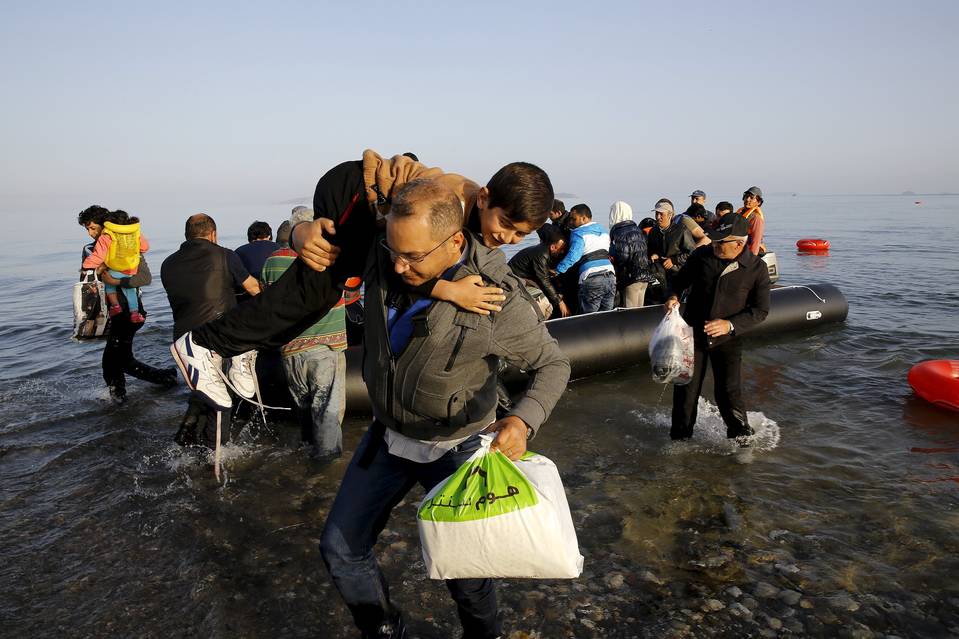
·         According to UN Refugees Agency, almost all refugees who entered EU in October came through Greek islands. More specifically,  in an effort to reach central/western Europe, approx. 210,000 out of a total of 218,000 refugees who entered in EU in October,  passed from Turkey through Aegean Sea, and landed to Greek islands (mainly the island of Lesvos).

·         According to Hellenic Association of Tourism Enterprises’ Andreadis, the early bookings from UK, show an increase of +6% vs. those of last year.  

·         According to European Central Bank, Greece may face an increase in unemployment, up to the level of 28.1%, in 2016. Greece has the highest rate of unemployment (25%) and long-term unemployment (73.1%) among the 28 EU countries. In addition, more than half of Greeks (52.4%) aged 15-24 are out of job which is tripled compared to OECD average.

·         According to Social Inclusion Monitor Europe, Greece gets the lowest score among the 28 countries of EU, as regards Social Justice Index. This is due to low score in poverty prevention, equal opportunities to education, access to job market, social inclusion without discrimination, health and inter-generation justice. According to Bergelsmann institute approx. 36% of Greek population faces the threat of poverty and social exclusion; the situation has significantly deteriorated during the last 6 years due to debt crisis and disinvestment. He added that ‘the target is the shielding of the competitiveness of the Greek tourism product, which must overcome a series of direct challenges such over-taxation, illegal accommodation, boosting investor interest and corporate liquidity’. 

Risk assessment. Greece gradually returns to normality and reality. Up to now, Greece's government ratifies the frontloading 3rd MoU, with emphasis on the recapitalisation of Greek Banks, pension cuts and taxation of those sectors which were not taxed in equal terms with the rest of local economy. 

However, it becomes absolutely necessary to see relaxation of taxation concerning a) this part of economy which couldn’t tax evade such as employees, b) entrepreneurship which will generate jobs and c) real estate which impacts several professions and can assist on repayments of loans and citizens’ debt to the Greek state.

More specifically, local government needs to start from abolishing all hidden costs which are called ‘isfores yper triton’ which concern contributions of citizens and businesses to pension funds of local elites. In addition, it needs to adjust or even abolish the so called ‘efapax’ (lump sum money) which is paid to new pensioners to those pension funds which are heavily subsidised by state budget.
 
In any case, Greece needs to implement a fair, transparent and stable tax system, in order to attract foreign investments with long term time horizon, which reduce unemployment. 

It also needs to invest in education in order to reduce the skills mismatch. The vast majority of local universities is not linked to market and still generate graduates of anachronistic and/or irrelevant skills and background. 
 

Last but not least, according to institute Bertelsmann 28.4% of Greece’s young populationaged 20-24 in 2014, were included in NEETs category (Not in Education,Employment, or Training). This doesn’t only represent a significant social and economic problem but a time bomb for Greece’s existence as well.


Saturday, 31 October 2015

31st Oct, 2015, Stress Tests' results of Greek Banks are considered better than expected


·         The European Central Bank announced that the Greek systemic banks will need 4.391 bios euros of additional capital according to basic scenario, 14.4 bios euros according to worst case scenario. This exercise was based on end-June’15 financials. More specifically:

o   Alpha Bank, 263 mios for basic scenario, 2.743 bios for worst case

o   Eurobank, 339 mios for basic scenario, 2.122 bios for worst case

o   National Bank: 1.576 bios for basic scenario, 4.6 bios for worst case

o   Piraeus Bank: 2.213 bios for basic scenario, 4.933 bios for worst case 

·         According to Greece’s Foundation of Economic & Industrial Research (IOBE), the local Economic Climate Index continued its increasing trend since July; it closed at 86.5 in October vs. 83.1 in September and 75.2 in August. On the other hand, Eurozone’s index slightly increased to 105.9 in October vs. 105.6 in August. 

·         Greece's Economic Climate Indices increased across all industrial sectors i.e. Manufacturing’s index improved to -19.6 in October from -23.3 in September but it is still lower compared to October 2014 (-0.6). This was due to an improvement of expectations as regards the following 3 month period (Oct: +11.7, Sep. +14.3 and Aug: -10.5). In addition, expectations concerning sales improved for a 2nd month in a row (Oct.’15: 1.2, Sep’15: +2.9 and Aug: -33.1).
 
·         Greece’s current account closed at surplus for a third month in a row. More specifically, August’s surplus was recorded at 2.1 bios vs. 1.9 bios in August’s 2014. The current Account’s improvement is associated to the remarkable performance of Greek tourism which showed an increase of 8.5% as regards its balance of payment during Jan-Aug period. More specifically inflows increased by +7.5% while outflows decreased by -1.5%.

·         The number of arrivals of tourists in Greece, increased by +10.6% (annualised) during the period Jan-Aug, which is lower compared to the same period in 2014 (+22.1%). In August the number of tourists increased by +2.8% only, which is lower vs. August 2014 which showed an increase of 25.0%.

·         Arrivals of US tourists in Greece increased by +35.7% during the period Jan-Aug (+24.8% during the same period of 2014), while German tourists increased by 22.5% (+4.5% in same period of ‘14), and arrivals of British tourists increased by +24.9% (+4.5% in same period of ’14). On the other hand, arrivals of Russian tourists decreased by -62.2% during Jan-Aug period 2015 (remained stable during the same period of 2014). 

·         Greece’s inflows from shipping decreased by +2.3% during the period Jan-Aug; there was a drop of 46.7% in August due to the  implementation of capital controls.  

·         Expectations as regards construction slightly improved to -49.4 in Oct’15 vs. -52.8 in Sep’15. However, this was due to an improvement in Public Sector Construction only, which showed a remarkable increase to 80.5 in Oct’15 vs 58.5 in Sep’15 and 36.2 in Aug’15. 

·         Turkey holds parliamentary elections this Sunday Nov 1st, which is the second in five months, with the governing AK Party hoping to win back its parliamentary majority. Deterioration of local economy, status of Turkish Democracy, regional geopolitics and security are among the key issues of concern for Turkish electorate. 

·         Refugees’ tragedy continues in Aegean Sea. More than 100 children have drowned in the Aegean over the last two months. Tsipras accused some European officials of not caring about these deaths and ‘crying crocodile tears’ over them.
 
Risk assessment. Turkey holds parliamentary elections this Sunday, November 1st, the second elections in five months with ruling AK Party hoping to win parliamentary majority. The geopolitical developments in Syria combined with escalating attacks in Turkey’s interior by Kurdish forces and ISIS, have increased anxiety among Turkish citizens and may impact the final elections’ outcome. Turkey has gradually become ‘a nervous country’ and this represents a major threat for regional stability.
The developments in Turkey, enhances Greece's geopolitical role in the region of SE Europe and Middle East and this could facilitate the ongoing discussions as regards debt relief and investments. However, Greece has to increase its efforts in order to fulfil its obligations to creditors and enhance competitiveness and internationalisation of its economy. 
As it was predicted in previous commentaries, the total capital needs of Greek Banks are significantly lower than the amount which is included in the 3rd MoU (25 bios). In addition, this exercise was performed based on end-June’15 results and before the agreement of July 13th, when local political uncertainty was skyrocketing.
It appears that both Eurobank and Alpha Bank’s positions are better, compared to the ones of National Bank and Piraeus Bank. National Bank shows comparatively higher capital needs but the biggest part could be covered by the sale of its Turkish subsidiary - Finansbank. It appears that Piraeus Bank shows comparatively the highest capital needs and will need more work to raise capital.
The task of the first three banks (Eurobank, Alpha & National Bank of Greece) to attract capital from markets and maintain management seems feasible. However, Piraeus Bank will need more effort to attract foreign capital and this seems highly unlikely at this stage. However, there will be no issue as the additional capital will be provided by state funds, within 3rd MoU context.   
In addition, the Bank of Greece performed stress test on Attica Bank, a small, not systemic bank, which is owned mainly by the Pension Fund of Engineers (TSMEDE). It appears that Attica Bank has significant capital needs compared to its size (857 mios for basic scenario and 1.021 bios for worst case). It is highly unlikely that Attica Bank will raise capital and most probably will be acquired by one of the four systemic banks, with the support of state funds.
All Banks will need to submit by November 6th, a specific strategic plan which will include sources of capital injection. 
In general, the results of stress test are better than expected. Eurobank showed a remarkable improvement as it appears to maintain the best position among the four systemic banks. The leadership Karamouzis-Karavias proved to be successful in its strategy to turnaround the bank's position.

Overall, considering that the local economy shows better performance in 2015 compared to initial estimates, shows that Greek Banks maintain significant value to investors and could be reactivated soon in order to start financing the local real economy again.
However, there are a lot of pending items starting with the recapitalisation bill which needs to be ratified by local Parliament by tomorrow. In addition, Greece needs to proceed on the  implementation of the structural reforms which are included in the 3rd MoU, which will improve the overall investments' sentiment and facilitate the attraction of private sector's investment funds.
Last, but not least, Greece’s government needs to gradually change the mix of policies from increase of revenues (through increase of taxation) to decrease of expenses. This will allow local citizens and enterprises to breath and facilitate the implementation of structural reforms
.


Friday, 30 October 2015

Oct 30th, 2015, 200 bios haircut of debt, if Greece hosts 2 mios of refugees may be on the table


  • According to EuroWorking Group’s official, there are two significant pending items in order that a) creditors will release the next reimbursement of 2 bios euros and b) recapitalisation of Greek Banks will be completed by end '15. He referred specifically to the following pending items: a) the revenue related to the application of VAT on private education and b) the legislation concerning foreclosures.   
  • The tragedy of refugees landing at the eastern Greek islands continues despite worsening weather conditions. The coastguard rescued approx. 250 immigrants from drowning on Wednesday but there are still 30 missing. In addition a new wreckage occurred on Thursday, off the island of Kalymnos, with over a 100 missing.
  • Ahead of the announcement of Greek Banks’ stress tests this Saturday, the Greek government submitted the recapitalization’s bill in Greece’s Commons. The ratification of this legislation represents a prerequisite as regards the recapitalization of Greek Banks and has to take place within this weekend and before the opening of Monday’s markets. Government’s vice chairman Dragassakis stated that the recapitalization bill will be ratified this Saturday.
  • After Piraeus Bank, Alpha Bank became the second Greek Bank which launched an exchange offer on its outstanding subordinated and senior bonds. It is offering to pay between 50 and 5, out of 100 depending on the type of securities.
  • The Greek government continues its efforts to find alternative equivalent measures which will absorb its initial proposal to apply VAT on private education. It appears that this amount will be raised through additional taxation of vehicles.
  • According to the Greek Parliament’s State Budget Office, taxpayers cannot afford to pay additional taxes and that the application of additional taxes will lead to tax evasion. In addition, it emphasized the need to reduce current tax burden which otherwise could lead local economy either to recession or to a long term stagnation.
  • On the other hand, according to Greece’s Centre of Planning and Economic Research, the overall economic contraction will reach the level of -0.3% in 2015, which is significantly lower than the -2.3% which is included in state budget. In addition, it predicted a contraction of -1.6% only during the second half of 2015. As a reminder, Greece applied capital controls in end June.
  • According to press linkages, Ministry of Labor‘s Katrougalos mentioned during a meeting with the members of Executive Committee of SYRIZA that Greece will apply, sooner or later, a National pension which will be equal to all pensioners.
Risk assessment. As it has been mentioned in previous commentaries, the issue of refugees’ influx to Greece’s eastern islands gradually gains ground in Greece’s agenda with creditors. Although both parts deny that the issue of refugees is included in the agenda of the discussions between Greece and creditors, it seems that parallel discussions are taking place.
If we add to the picture the recent article of Bild, which referred to a Deutsche Bank’s report stating that there will be an agreement as regards the haircut of approx. 200 bios of Greek debt, the following scenario gradually gains ground:
'Creditors to agree on a significant haircut of debt, if Greece manages to host a significant number of refugees for a certain period of time and allow international institutions to handle refugees’ matters as long as they will be hosted in Greek territory'     

The fact that smugglers gradually start using larger boats to deal with weather conditions shows that Greece will face an escalation of refugees influx, anyway. And this will be further intensified in case of  a general instability within Turkey. For the record, more than 500,000 refugees have entered EU through Greek islands since the beginning of 2015.

On a daily basis, there are articles which emphasize that Greece need to take more responsibilities as regards the handling refugees and act as the EU's SE frontier. This means, EU and Greece need to cooperate as regards the formation and roll out of a strategy, which will include not only the creation of a number of hot spots in Greek territory but most importantly, it will include a strategy for refugees’ inclusion in local social net, for a certain period of time.
It becomes evident that this won't only become an issue of historic importance but will assist handling of humanitarian crisis as well, in the most humanly effective way. However, local political system needs to approach the matter carefully.
Firstly, it needs to enhance its European role in the region; otherwise it would become part of the problem with catastrophic consequences to local economy and society.
Secondly, it needs to implement all structural reforms in order to ensure the sustainability of its pension system and internationalisation of its economy.
Last but not least, if this agreement occurs, it could benefit Greece both in political and economic terms as it will be established a regional economic and political hub, within European context. And this needs to be Greece’s paradigm in the era of globalisation.   

Tuesday, 27 October 2015

27th Oct, 2015, Greece may face a similar to 1922 refugees’ crisis amid critical economic challenges


  • According to International Organization for Migration, approximately 48,000 refugees arrived in Greek islands within 5 days (up to October 21st). Greece’s Tsipras agreed on EU’s plan to increase Greece’s capacity to 50,000 refugees by end 2015.
  • According to Spiegel, there was an initial proposal to Greek government concerning the creation of a mega-camp of 50,000 refugees at Athens’ Olympic campus. However, eventually there was an agreement that Greece will increase its capacity up to 50,000 refugees by end 2015, and EU will subsidy the rent for 20,000 refugees.
  • There is still a disagreement as regards the reimbursement of 2 bios euros by end October. Press linkages suggest that this will occur in November and after the completion of banks’ recapitalisation. In addition, Greece needs to meet its December’s obligations to IMF, which amount 1.2 bios euros.
  • Greece’s government published the ministerial decree regarding the implementation of a law which was voted in August, concerning the gradual decree of age of retirement to 62 years with 40 years of insurance contribution or 67 years with fewer years of contributions.
  • According to Greek government’s spokeswoman Gerovassili, there is still a 700 mios euros shortfall for pensions for 2015 and 2016. Although the Greek government insists that there will be cuts in pensions about the threshold of 1,000 euros, there are many publications which refer to pension cuts below this threshold. In addition, the Greek government brought to the table of negotiations, the further increase of employers’ contributions.
  • ECB will announced the results of Greek Banks’ stress tests this Saturday October 31st, at 11.30 am Athens time. This increases the pressure to the Greek government to submit the recapitalisation bill by Friday. As a reminder, this bill should have been ratified by mid –October. A number of reports have been published which estimate that the Greek Banks will need approximately 5-7 bios injection of private funds.
  • According to various banks’ analysts, the total number will reach the level of 15 bios which could be reduced below the level of 10 bios euros, if banks implement their restructuring plans.
  • According to Hellenic Asset Development Fund’s Pitsiorlas, the SYRIZA’s government will push ahead its ambitious privatisation plan which amounts 3.5 bios euros in 2016. At the moment, there are major two projects, which concern a) the privatisation of 14 regional airports to Fraport and b) Port of Piraeus which could be completed by year-end.    
Risk assessment. I remain on my previous estimates that the impact of capital controls will be less than it was initially expected,  and this will facilitate the recapitalisation of Greek Banks. In addition, the probability that Tsipras won't fulfil all his commitments which are included in the 3rd MoU, remains low.

However, there is another factor which gradually plays more significant role, enhances Greece's negotiation power, geopolitical role and if it is handled effectively by the Greek Government, then it could be used as the mean for EU funds' transfer to the Greek economy, the debt's relief and return to sustainable economic trajectory. I'm referring to the ongoing refugees' crisis.

Greece’s leftist government doesn’t face only a series of critical deadlines concerning Banks’ recapitalisation and EU reimbursements to meet obligations to IMF, but also the most significant refugees’ crisis since 1922, when almost 2 million refugees from Minor Asia fled to its territory.
Although there are significant risks associated with refugees’ crisis, if Greek government manage the situation in a constructive way and integrate those refugees in its social net there will be benefits to local economy and society.
In addition, there will be a need for additional workforce when local economy will return to growth trajectory. The question is ‘how this need for labour force is justified by the current high unemployment rate of 25%?’
The main reason is that Greece faces significant demographic crisis, which has not only impacted economic activity but has almost derailed its pension system. This crisis was further deteriorated  due to the ongoing crisis which forced thousands of Greeks to relocate to other EU countries. This relocation was partially due to economic cycle and partially due to skill mismatch. For instance,  according to World Health Organization, Greece holds the second position globally as regards the number of doctors per 10,000 citizens (62 out of 10,000 when it is 35 at EU level). And this contributed to the overall bubble of local economy which busted in 2009.  
Needless to say that structural problems of local educational system combined with cultural problems, unlimited access to borrowing money and black economy resulted to the creation of a scientific ‘proletariat’.
Last but not least, it is highly unlikely that refugees’ inclusion to local social net, will be handled by local state structures. Considering the ongoing restructuring of state sector, it will be extremely difficult to Greece’s state sector to handle such extremely high burden, which is not only associated to capacity issues but to cultural issues as well. It is highly likely that international organisations will be highly involved in matters related to refugees as it happened in 1922 national disaster.

Sunday, 25 October 2015

25th Oct, 2015, Greece’s technical dramatization of negotiations intensifies, amid gradual restoration of interest for investments


  • It appears that there is a disagreement between Greek government and creditors as regards the implementation of measures which are included in the 3rd MoU. More specifically, there are obstacles on taxation of private education and foreclosures’ threshold. This prevents not only the disbursement of 2 bios euros but the Greek Banks' recapitalisation as well.  
  • During his visit in Athens, France’s Hollande reconfirmed his previous position that in case Greece fulfils its obligations which are included in the 3rd MoU, there should be an agreement as regards Greece’s debt relief. He also added that there should be more discussion as regards the threshold for foreclosures.
  • Greece’s current account surplus in August closed at 2.1 bios euros which is 0.232 bios euros higher compared to August 2014. This was due to the reduction of imports by -14.7% and an increase of revenues from tourism by +7.3%. However, the value of exports decreased by -12.8% (due to oil prices’ drop).
  • The number of unemployed Greeks who are seeking employment reduced to 806,429 in September 2015, compared to 815,434 in August 2015 and 823,618 in September 2014. This slight improvement is related to growth in tourism. However, the part of unemployed which remains out of local marketplace for more than 12 months is 456,329 (56.59%).
  • According to the recent report of 'Review of Maritime Transport', the Greek shipping industry maintained its 1st position globally as regards a) total capacity of ships bigger than 1,000 tonnes and b) number of ships. In addition, the Greek ship-owners increased their market share as regards global shipping cargo to 16.1% (compared to 15.4% in 2014). Last but not least, the Greek shipping industry transports approx. 50% of total EU’s shipping trade.
  • The Coca Cola Hellenic which represents Coca Cola’s no2 franchise at global level, announced that OTE (Deutsche Telecoms’ Greek subsidiary) gained the contract to run its datacentre for the next 5 years. In addition, Cocal Cola will transfer its primary data centre from Switcherland to Greece.
  • Renting prices for shops in Greece, are the lowest at European level (even lower than Romania and Bulgaria).  According to data published by the Bank of Greece, the total decrease of renting prices reached the level of 31% during the period 2009-14.
  • Bulgaria’s surplus of current account increased by +23.7% (on an annual basis) during the period Jan-Aug 2015. This was mainly a result of a reduction in trade balance’s deficit (exports increased by +9.1% and imports by +3.7%)  
Risk assessment. Tsipras’ government attempts to return to his drama-style negotiations with creditors. However, I remain on my previous view that the impact of capital controls to local economy will be less than it was initially expected. Gradually, this becomes the view of many international economic bodies and EU Commission, which are now evaluating the reduction of local GDP to less than -1.5% (from -2.5% which was the initial estimate).
It becomes evident that the better-than-expected Greece’s economic performance will impact positively the base scenario of stress tests and eventually the recapitalisation Greek Banks’ which appears to evolve comparatively smoothly. In addition, the interest of private sector on the recapitalisation of Greek Banks will be assisted by
a) the current rate differential between Greek bonds' yield and bonds of other Eurozone countries,
b) the potential for upside, if Greece implements the changes which are included in 3rd MoU
c) the gradual increase of Greece's geopolitical role due to the on-going fluid geopolitical situation in Middle East and
d) the significant increase of competitiveness during the last 6 years. 
Although, local media are conquered by news related to a disagreement on taxation of private education and foreclosures, the most complicated item remains the restructuring of local pension system. However, the possibility that SYRIZA’s government won’t fulfil its commitments is low, considering a) Tsipras has agreed on this item b) pension system' burden is unsustainable and  impacts significantly economy and c) the implementation of pending structural reforms impacts directly the recapitalisation of Greek Banks which needs to be completed by end 2015.
Although there is a need of taxing certain parts of Greek economy which traditionally didn’t contribute to state revenues, it is absolutely necessary to reduce the overall non-salary cost to local enterprises, hidden taxes to overall economy/society and  current taxation to entrepreneurship, pensioners and employees.
Last but not least, the significant increase of citizens and enterprises’ debt to the Greek state by 1.5 bios show that further increases of taxation on the current taxpayers, will only increase private debt and won’t bring additional revenues. 
The fact that 95% of state budget is related to the increase of revenues, compared decrease of expenditure, shows that these SYRIZA’s government policies won’t succeed, and there will a shift to realism soon. This means that sooner rather than later, there will be a significant reduction of state expenditure, starting from pension system which represents its biggest and most unsustainable item.